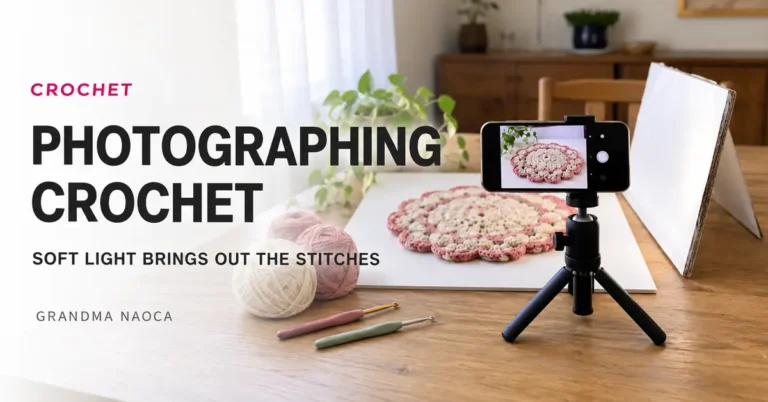
How to Photograph Crochet with Clear Stitches and True Colors
A good crochet photo lets the texture, shape, and color speak for themselves. You can begin with a phone, soft window light, and a simple background. Clear, honest pictures are…
A good crochet photo lets the texture, shape, and color speak for themselves. You can begin with a phone, soft window light, and a simple background. Clear, honest pictures are…
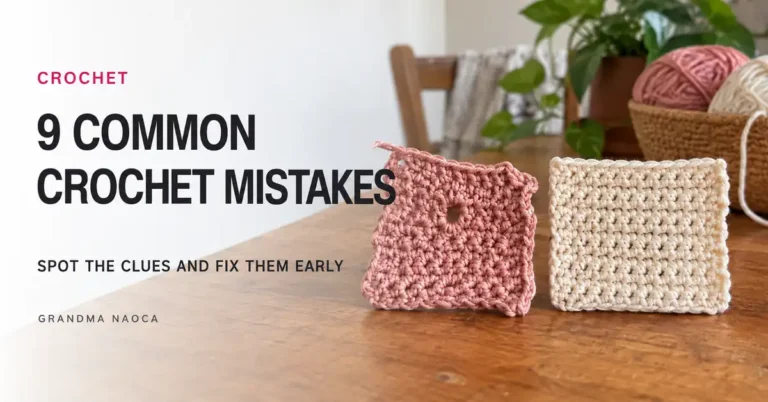
Crochet mistakes usually leave clues: a changing stitch count, a rippled edge, or fabric that feels different halfway through. Finding the cause is more useful than trying to hide the…
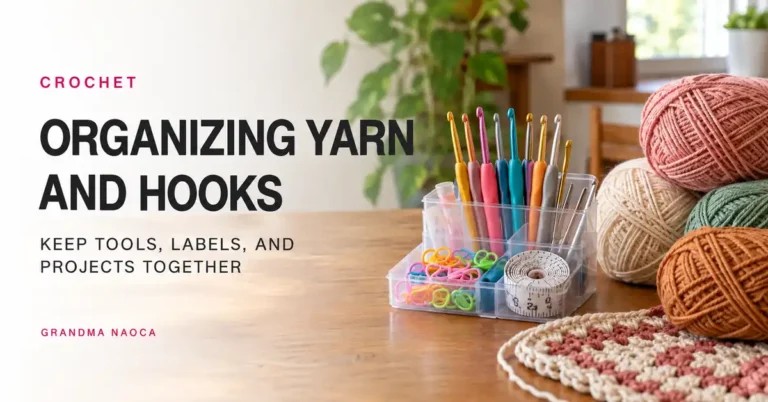
A useful crochet setup does not need to look like a craft store. It needs to make your next project easy to find and your current project easy to resume.…
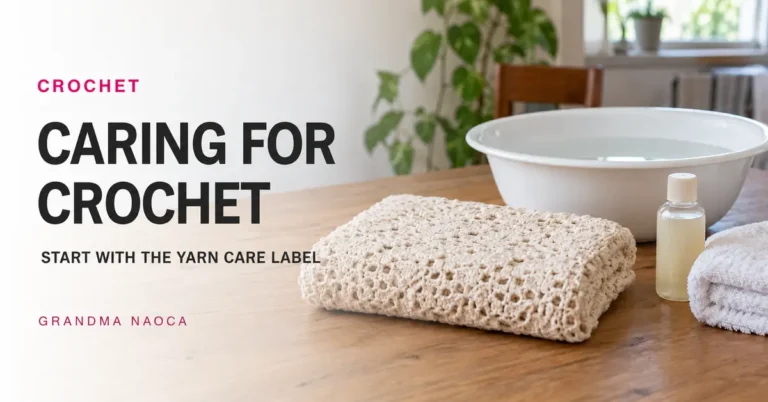
A handmade piece needs care that suits its yarn, not just its appearance. The same crochet stitches can be made from fibers with very different washing instructions. Keep the label,…
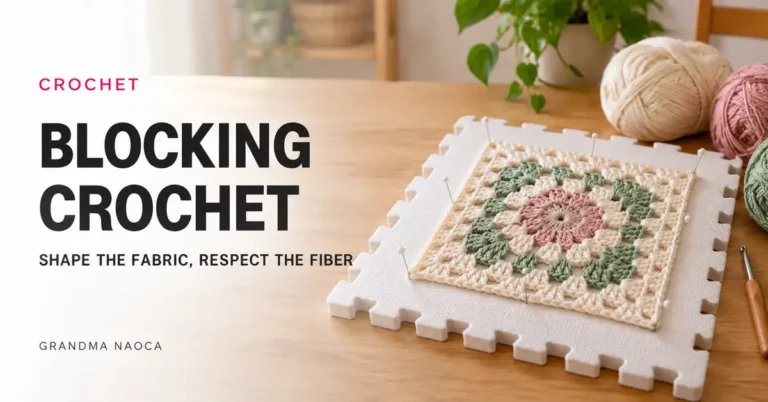
Blocking can help crochet settle into its intended shape and show the stitch pattern more clearly. It is a finishing method, not a repair for missing stitches. Start with the…
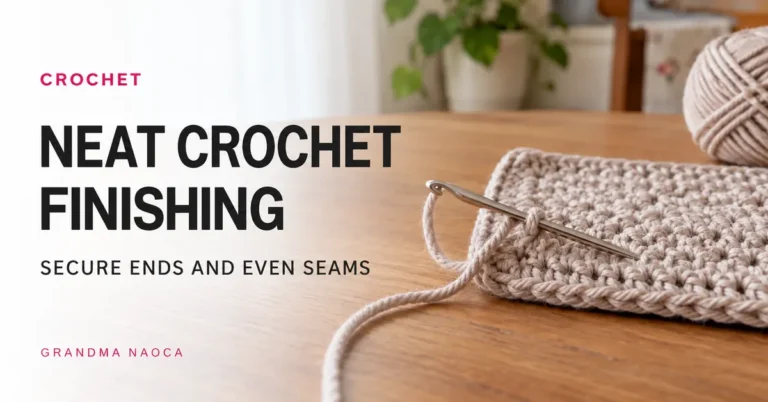
Finishing is easier when you leave yourself enough yarn and a little time. Secure ends, even seams, and carefully planned edges help a simple piece look complete. These steps are…
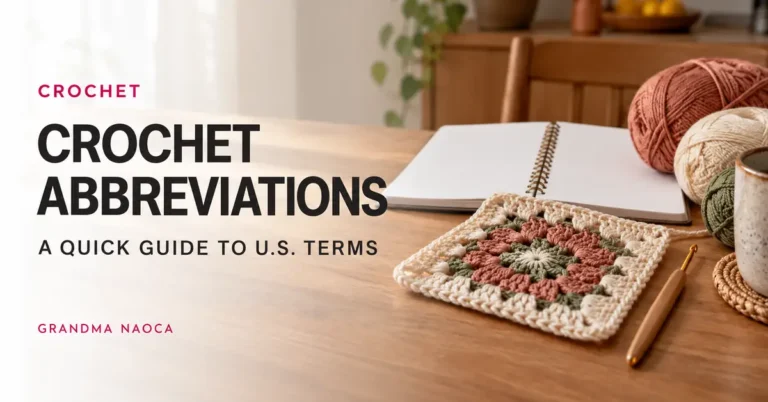
Short crochet instructions become easier to read once you recognize a few common abbreviations. Keep this guide beside your pattern, but check its special-stitch notes first. A familiar abbreviation can…
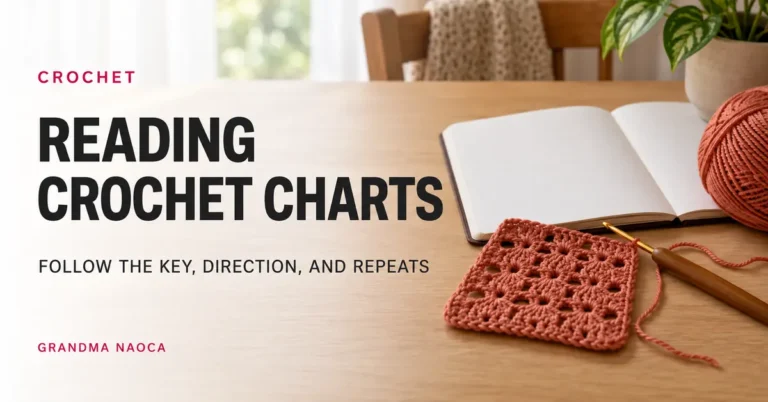
A crochet chart is a picture of the stitches and how they connect. Once you identify the symbols and the reading direction, you can follow a small section at a…
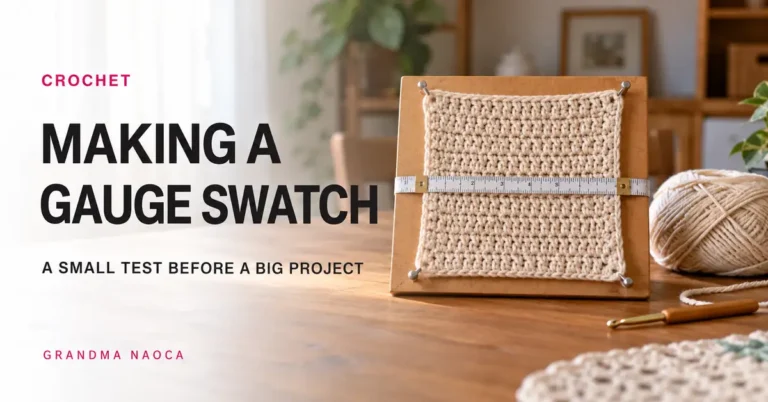
A gauge swatch is a small test that can prevent a much larger sizing problem. It shows how your yarn, hook, stitch pattern, and hands work together. For a fitted…
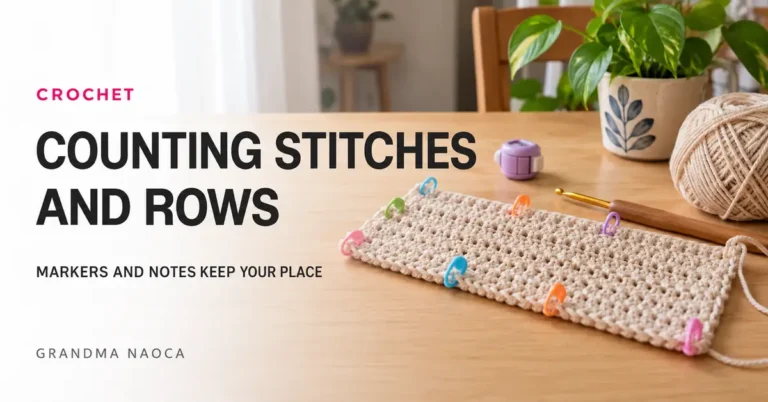
Counting is easier when you know which part of the fabric to look at. Stitch markers and a short note can turn a confusing pile of loops into a clear…